

Picture this: it’s the middle of the night, and you hear a strange noise outside your home. Your heart races as you rush to check on your loved ones. You reach for the door lock, but it feels stiff or worse—it’s stuck completely. In moments like these, having a reliable door lock is crucial for your peace of mind and safety.
Door locks are more than just metal mechanisms; they serve as the first line of defense against intruders. But what happens when that defense fails? Many homeowners trust their locks implicitly, unaware that vulnerabilities exist in even the most trusted systems.
This blog will explore why some door locks fail precisely when we need them most. We’ll dive into common types of locks, their weaknesses, and how to ensure yours remains secure when it matters most. Whether you’re a new homeowner or someone looking to enhance security measures, understanding these elements can make all the difference in safeguarding your sanctuary.
The importance of door locks for home security
Door locks play a pivotal role in home security. They provide peace of mind, allowing you to sleep soundly knowing that your entry points are secured. The mere presence of a lock can deter potential intruders.
A sturdy lock on door acts as the first barrier against unauthorized access. It’s not just about keeping unwanted visitors out; it’s also about protecting your belongings and loved ones inside. In an unpredictable world, feeling safe within your own walls is priceless.
Different types of locks offer varying levels of protection tailored to individual needs. From deadbolts to smart locks, each option brings its unique advantages for securing entryways.
Investing in quality door locks is essential for any homeowner seeking assurance and safety. A reliable locking mechanism enhances overall security while contributing to the value of your property.
Common types of door locks and their vulnerabilities
There are several common types of door locks, each with its own strengths and weaknesses. The deadbolt is a popular choice for residential security. It offers solid protection but can be vulnerable if not installed correctly.
Knob locks are often used on interior doors. While convenient, they provide minimal security against forced entry. A simple twist or a good shove can defeat them easily.
Smart locks have gained popularity recently due to their tech-savvy features. However, they rely heavily on battery power and connectivity, making them susceptible to malfunction during critical moments.
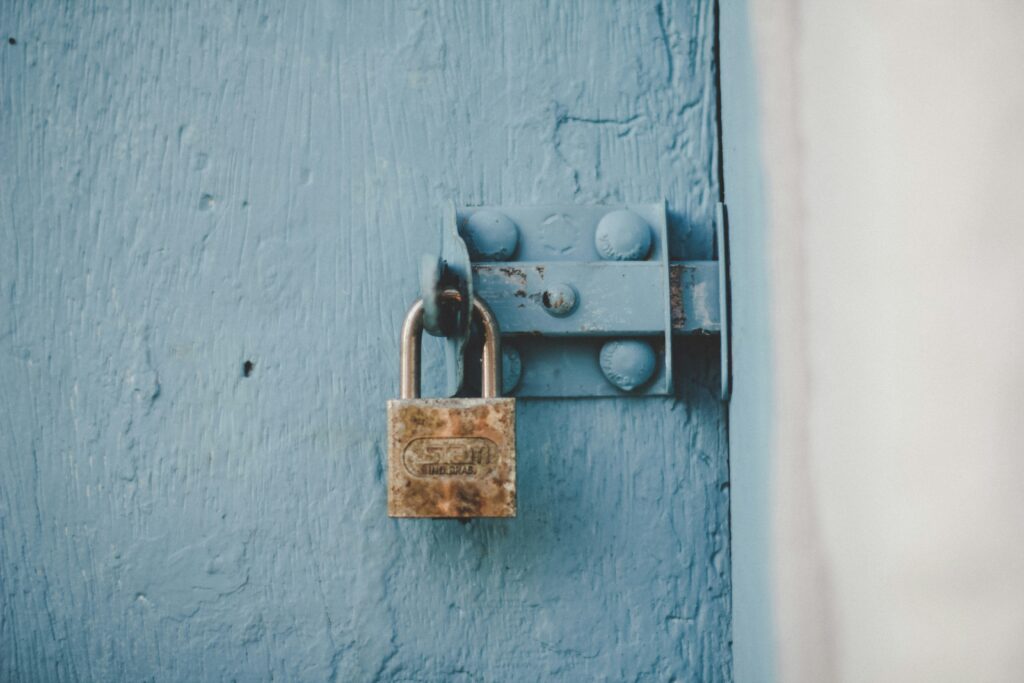
Then there’s the padlock—a versatile option that works well for sheds and gates. Unfortunately, many padlocks can be bypassed using bolt cutters or shimming techniques.
Understanding these vulnerabilities helps homeowners make informed decisions about securing their spaces effectively.
Reasons why door locks may fail during break-ins
Door locks can fail at the worst possible moments, especially during a break-in. Understanding why this happens is crucial for homeowners.
One common reason is wear and tear. Over time, frequent usage can weaken internal mechanisms. A lock that once functioned smoothly might struggle when you need it most.
Another factor is poor-quality materials. Inexpensive locks are often made from subpar metals that can’t withstand forceful entry attempts. This makes them easy targets for intruders equipped with basic tools.
Improper installation plays a significant role too. If a lock isn’t aligned correctly or lacks proper support, it may not engage fully when needed.
Environmental factors like rust or moisture can compromise functionality. Locks exposed to harsh weather conditions may seize up at critical moments, leaving your home vulnerable to threats.
Steps to take if your door lock fails in an emergency situation
When a door lock fails, it can be panic-inducing. Staying calm is your first step. Take a deep breath and assess the situation.
If you’re locked out of your home, check for any open windows or alternative entrances. Sometimes, an overlooked backdoor might provide a way inside without forcing anything.
In case of a break-in threat, prioritize safety over everything else. Move to a secure location within your home if possible and call for help immediately. Don’t confront intruders directly; it’s not worth the risk.
For those with spare keys hidden outside or trusted neighbors nearby, reach out to them for assistance. If all else fails, contact a professional locksmith who can gain entry securely and quickly.
Documenting the failure afterward is important too—take notes on what went wrong to prevent future issues with that lock or similar ones in your home.
The role of proper installation and maintenance in preventing lock failures
The security of your home relies heavily on the quality and functionality of your door locks. Proper installation is essential to ensure that locks operate as intended. A poorly installed lock may function intermittently or become misaligned over time, leading to vulnerabilities.
Regular maintenance plays a significant role in preventing failures too. Simple tasks like lubricating the lock mechanism can keep it running smoothly and reduce wear and tear. Inspecting for rust or damage regularly will also help you catch problems before they escalate into emergencies.
Moreover, keeping up with changing technology can make a difference. Today’s smart locks offer enhanced features but require updates and proper setup to maximize their effectiveness. Stay informed about your options, whether traditional or modern, to ensure that you’re using the best tools available for protecting your home.
Taking these steps seriously not only enhances security but also provides peace of mind knowing you’ve done everything possible to safeguard what matters most. Your front door should be a barrier against threats, not an invitation for trouble due to simple oversights in care or installation.