

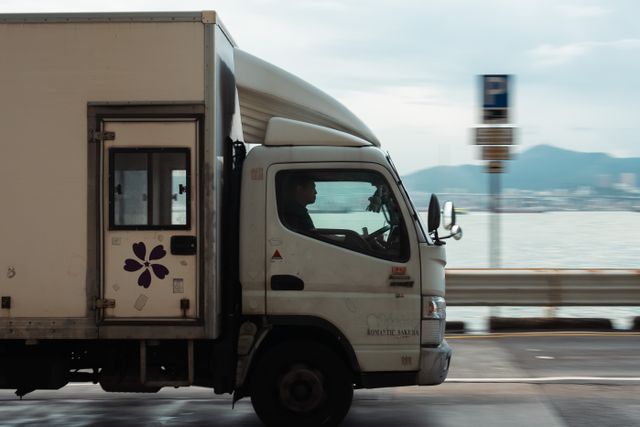
Australia’s heavy vehicle industry finally moved under the new and improved Heavy Vehicle National Law on 1 August 2026. The National Heavy Vehicle Regulator says this change is going to have a pretty big impact on how heavy vehicles operate; it’s the biggest change in over a decade, after all. So why is it that moving freight across state lines isn’t always as simple as it sounds? That has a lot to do with the fact that this new national law doesn’t cover every single state and territory. In fact, Western Australia and the Northern Territory still do things their own way.
One Country, Lots Of Different Rules
The Heavy Vehicle National Law covers anything that’s over 4.5 tonnes in gross vehicle mass. It’s supposed to apply across all the states and territories that are on board with the plan. But Western Australia and the Northern Territory aren’t part of that deal, so they have their own rules for heavy vehicles. So a load coming from Melbourne to Brisbane stays within the national law (which makes it relatively straightforward) but freight heading for Perth or Darwin (across the NT) gets to deal with two different systems along the way. Which rules apply is all about the route, the vehicle and the states you pass through on the way. And business owners don’t have to become transport law experts; they just need to ask providers of interstate transport services for businesses how they deal with compliance in each and every state and territory they go through. And they should get a pretty clear answer.
What All The Fuss Is About?
The idea behind this new law came out of a review that started in 2019, led by the National Transport Commission. The goal was to make the whole system more flexible and based on risk, rather than just a one-size-fits-all approach to heavy vehicle safety and productivity. So, to support all this, there were a whole bunch of new rules and regulations put into place before the new law started covering things like accreditation, fatigue management, and safety assurance. So, for companies that just book freight rather than run their own trucks, the message is pretty simple. Carriers have been having to make some changes, it turns out, updating their systems and paperwork and whatnot. So you might see some changes in the booking process or documentation; just ask about them early to know what to expect.
Getting Your Freight Where It Needs To Go
When it comes to moving freight from one state to another, there are a few different ways to do it, really. Some companies have their own fleet and run the whole show. Others put together a network of different carriers to do the work. And then there are companies that act as a single point of contact, doing all the organisation for a particular job. The big plus with a dedicated fleet is that you have direct control, but it may not always be the best option for every route. A carrier network can match up your load with a driver who is already running that route. That can be particularly useful if you’re moving freight to some of the more regional areas where the bigger national carriers don’t always run. One thing to take into account, though, when freight gets passed from one carrier to the next: accountability. Ask yourself, who owns the problem if something goes wrong at a handover? And more importantly, can you name the one person who is in charge of the whole job from pickup to delivery?
Driver Hours And Long Lanes
In Australia, distance is something you can’t just schedule away. The work and rest rules limiting how long a driver can be on the road before they get a break mean long routes are measured in days, not hours. A run from Melbourne to Sydney is a whole different ball game from crossing the Nullarbor, and regional stops just add to the time. You’d think most businesses would have a handle on this sort of thing, but, as I’ve seen this time and time again, trouble starts when sales promises are made without bothering to work out how long it’s actually going to take the freight to get there.
When Roads Close and Plans Change?
Floods take out the highways, bushfires shut down routes and rail outages send all that extra freight onto the roads. Given it covers a lot more ground, interstate journeys are more prone to disruption than a short local run. But here’s the key: a reliable carrier will warn their customers as soon as they know something’s up, so a delay doesn’t turn into a missed deadline. Practical backup options can help soften the blow, like:
- Having a go-to carrier or route already lined up.
- Separating high-priority stock from the rest of the consignment.
- Keeping a buffer stock close to your key customers.
Want to know how a carrier will handle the next big road closure? Don’t bother with the sales pitch; ask them how they handled the last one, and that’ll tell you all you need to know.
Determining The Cost Of Crossing The Border
Price quotations for interstate transport depend on weight, volume, distance, and fuel, yet the amount of deck space required by the shipment may make the biggest difference. Freight moves unequally on many lanes, with freight flows being unequal in both directions along the same lane. Most of the time, the price quotation difference has something to do with the lack of information. The actual height of the pallets, number of pallets, access to the loading place, and whether a tail lift is required all factor into the price. Supplying this information from the beginning makes for a faster and more precise quote.

Preparation For The Long Run
Interstate transportation performs better when transport planning is integrated with the business process rather than being an add-on. Awareness of regulations governing each specific route, selection of the right model of carrier liability, realistic transit time allowances, and preparation for possible disruption can all help to avoid any unpleasant surprises. As the amendments to the national legislation take effect, it might be appropriate to find out how prepared the current carriers are for the new realities of transportation.