

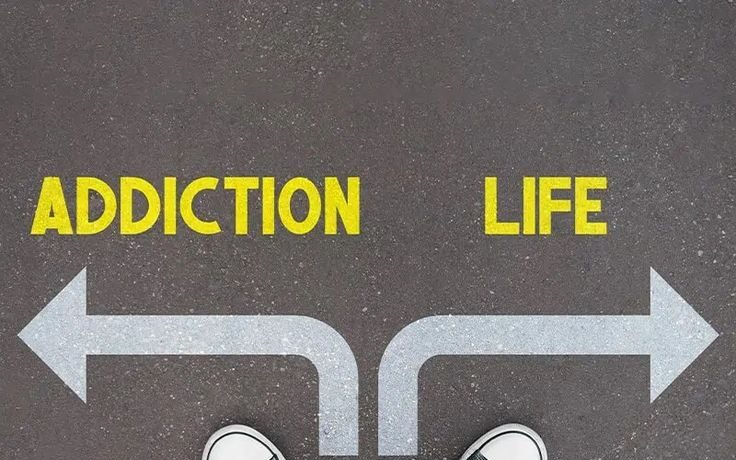
Addiction is a complex issue that touches millions of lives. With the rise in substance abuse and mental health challenges, understanding addiction has never been more crucial. Recovery should be seen not just as a goal but as a journey one filled with empathy, support, and healing.
As we step into the future, it’s time to rethink our approach to recovery. We need to look beyond just treating symptoms and focus on the whole person. By acknowledging the underlying factors contributing to addiction, including trauma and emotional pain, we can foster an environment where true healing takes place.
This article explores how compassionate methods can pave pathways for lasting recovery. Let’s dive deeper into this transformative journey together!
The current state of addiction and recovery
Addiction remains a pressing public health crisis worldwide. The statistics are staggering, revealing an escalating number of individuals grappling with substance use disorders. Communities struggle as the effects ripple through families and relationships.
Reset My Future Sydney is often viewed through a lens of stigma. Many still associate addiction with failure rather than understanding it as a complex disease that requires compassionate care. This perception hinders progress toward effective treatment options.
However, there’s growing awareness about the need for holistic approaches in recovery. Traditional methods are being complemented by innovative therapies that encompass mental, emotional, and physical well being.
As society shifts towards empathy driven solutions, there’s hope for those affected by addiction. Resources are becoming more accessible, paving the way for meaningful change in how we approach recovery together.

Understanding the root causes of addiction
Addiction often stems from a complex interplay of factors. Genetics can play a significant role, influencing how individuals respond to substances and their susceptibility to addiction.
Environmental influences cannot be ignored either. Growing up in stressful or unstable environments can increase the risk of developing addictive behaviors. Peer pressure during adolescence also plays a pivotal part.
Mental health issues frequently co-occur with addiction. Conditions like anxiety, depression, or PTSD can drive individuals toward substances as a form of self medication.
Moreover, societal factors contribute significantly to the landscape of addiction. Access to drugs and alcohol varies by region and community, impacting rates of substance use and dependency.
Understanding these root causes is essential for effective treatment strategies. Addressing them leads not only to recovery but also fosters resilience against relapse in the future.
The role of trauma in addiction and recovery
Trauma is a silent thread woven into many stories of addiction. For countless individuals, past experiences can become overwhelming burdens that lead to self-medication. This coping mechanism often spirals into dependency on substances.
Understanding trauma’s impact is crucial in the recovery journey. It shapes behavior and emotional responses, sometimes making it difficult to face reality without turning to drugs or alcohol. Healing from these wounds requires more than just abstaining from substances; it involves addressing the deep-seated pain associated with those experiences.
Therapeutic approaches like EMDR or somatic experiencing focus on processing trauma directly. These methods help individuals reconnect with their emotions safely while fostering resilience and hope.
Support systems also play a pivotal role during this healing phase. Compassionate relationships provide a safe space where survivors can explore their feelings without judgment, aiding them in reclaiming their lives from addiction’s grasp.
Holistic approaches to addiction treatment
Holistic approaches to addiction treatment focus on the whole person. They recognize that recovery is not just about stopping substance use, but also about nurturing mental, emotional, and physical health.
Methods such as mindfulness meditation help individuals cultivate awareness. This practice can reduce stress and enhance self regulation. Yoga offers a similar benefit by connecting body and mind through movement.
Nutrition plays a vital role too. A balanced diet can support brain function and foster overall well-being. Supplements may be recommended to address deficiencies caused by substance abuse.
Art therapy provides an expressive outlet for feelings often difficult to articulate. Creative activities encourage healing in unexpected ways.
Nature immersion is another powerful tool. Spending time outdoors fosters peace and connection with the environment, positively impacting mood and perspective during recovery journeys.
These integrative practices offer pathways for transformation beyond traditional methods alone.
Supporting loved ones through their recovery journey
Supporting a loved one through their recovery journey can feel overwhelming, but it’s also one of the most impactful things you can do. Understanding that addiction is not merely a choice helps to create an environment of empathy and compassion.
Stay informed about their struggles and educate yourself on addiction as a disease. This knowledge will empower you to offer meaningful support rather than judgment or frustration. Be there to listen when they need to talk, without offering unsolicited advice or solutions.
Encourage healthy habits like exercise, meditation, and social engagement which can significantly contribute to their healing process. Celebrate small victories with them; every step forward counts in this challenging journey.
Remember that recovery is often nonlinear. There may be setbacks along the way; patience and understanding are vital during these times. It’s essential for your loved one to know they’re not facing this battle alone.
As someone who cares deeply, maintaining open communication fosters trust and strengthens your bond. Your support could mean more than you realize; it might just provide the strength they need to keep moving forward on their path toward healing and sobriety.