
Trenching equipment has evolved significantly over the years, transforming how we tackle various projects. Gone are the days of manual digging and labor-intensive methods. Today’s modern trenching machines offer unmatched precision and efficiency. Whether it’s for a large construction site or a simple landscaping job, these powerful tools can make all the difference.
Imagine effortlessly cutting through tough soil to lay utility lines or creating perfect trenches for drainage systems. The capabilities of current trenching equipment are impressive, making them indispensable in many fields. Let’s dive into what makes these machines so essential and explore their diverse applications across construction, landscaping, and agriculture.
Types of trenching equipment available: excavators, backhoes, and tractors
When it comes to sunstate trenchers in Cairns, the right equipment makes all the difference. Excavators are among the most popular choices. Their long arms and rotating buckets allow for precision digging, making them ideal for deep trenches.
Backhoes offer versatility with a front loader and a rear excavator. This dual functionality means they can tackle both excavation and material handling in one go. They’re perfect for smaller projects where space is limited.
Tractors equipped with trenching attachments are another option. These machines provide robust power and efficiency, especially when dealing with larger areas or tougher ground conditions.
Each piece of equipment has its unique strengths tailored to different tasks. Selecting the right type depends on project requirements, soil conditions, and desired depth of the trench.
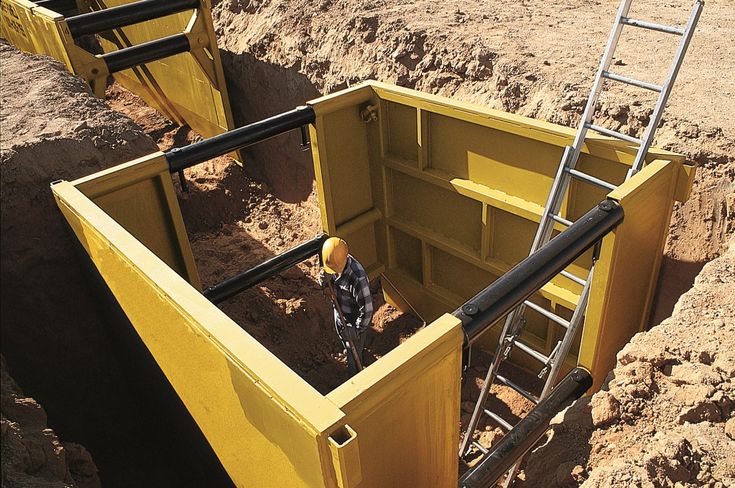
Trenching for construction projects: laying utility lines, foundations, and drainage systems
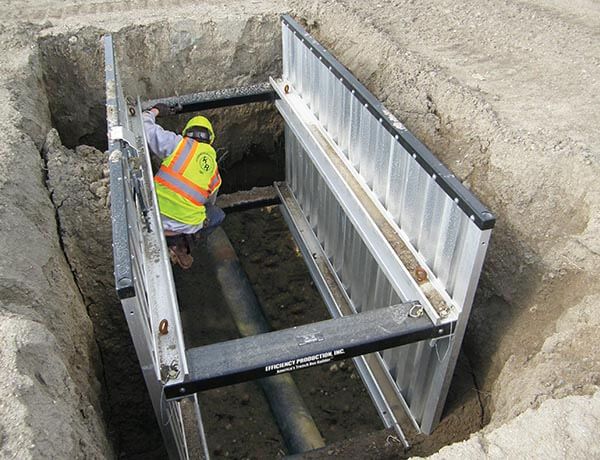
Trenching plays a vital role in construction projects. It provides the necessary groundwork for laying utility lines, which are crucial for water supply, electricity, and telecommunications.
Excavators dig deep and wide trenches to accommodate these essential services. Without proper trenching techniques, installations can become complicated or fail altogether.
Foundations also rely on accurate trenching. A well-prepared trench ensures stability and support for structures above ground. This precision is key to preventing future structural issues.
Additionally, drainage systems benefit greatly from effective trenching methods. Properly designed trenches facilitate efficient water flow away from buildings, reducing the risk of flooding or erosion.
Each project demands specific depth and width requirements tailored to its unique needs. Investing time into proper planning will yield significant long-term benefits in any construction endeavor.
Trenching for landscaping projects: irrigation systems, tree planting, and retaining walls
Landscaping projects often require precise and efficient trenching. Installing irrigation systems is one of the primary uses for this equipment. A well-designed system ensures that water reaches all areas of a garden, promoting healthy plant growth.
Tree planting also benefits from modern trenching techniques. Creating proper trenches allows for better root development and drainage, ensuring new trees thrive in their environment.
Furthermore, retaining walls are essential in managing soil erosion and creating level surfaces on sloped properties. Trenching helps establish strong foundations for these structures, providing stability and longevity.
Each application showcases how versatile modern trenching equipment can be in landscaping. By utilizing these machines effectively, landscapers can achieve stunning results while saving time and labor costs.
Agricultural uses for trenching equipment: planting crops, installing irrigation systems, and land grading
Trenching equipment plays a vital role in agriculture, making various tasks more efficient and streamlined. Farmers can deploy trenchers for planting crops with precision. The ability to create uniform rows ensures that seeds are sown at the correct depth and spacing, which leads to healthier plants and higher yields.
Installing irrigation systems is another significant application of trenching equipment. Efficient water management is crucial in farming, especially in areas prone to drought. Trenchers allow farmers to lay down pipes and hoses quickly, ensuring that every part of the field receives adequate moisture without wasting resources.
Land grading is also enhanced by modern trenching technology. Properly graded land prevents erosion, improves drainage, and creates an optimal environment for crop growth. By utilizing trenchers for this task, farmers can achieve better soil structure while saving time on manual labor.
The versatility of modern trenching equipment makes it invaluable not just in construction or landscaping but also within the agricultural sector. As these tools continue to evolve, their applications will only expand further into diverse fields of work.