
Electric scooters have surged into the urban landscape, transforming how we navigate our cities. What started as a quirky trend has evolved into a practical mode of transport for many. With their sleek designs and effortless operation, these zippy rides are quickly becoming a staple in everyday travel.
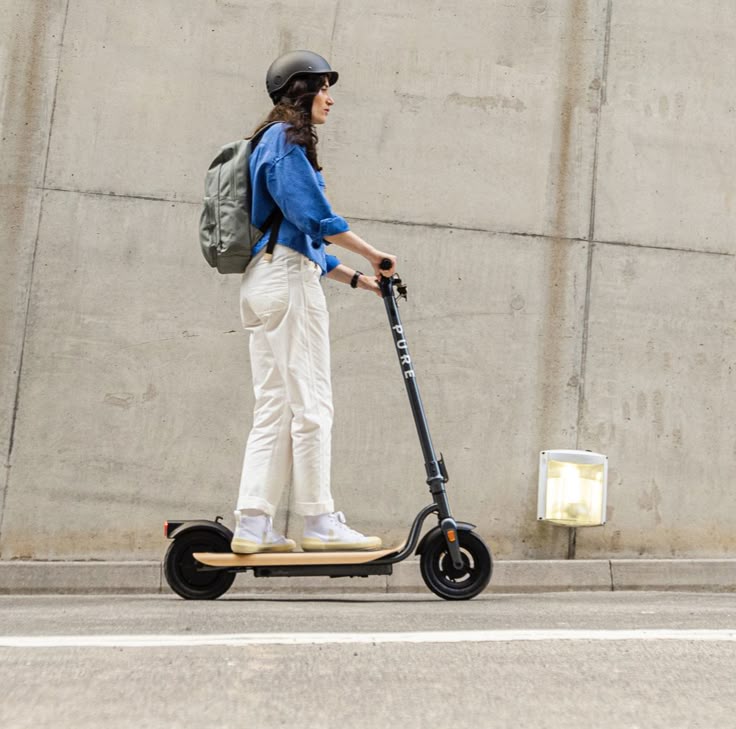
Picture this: You step out of your apartment and hop onto an electric scooter, gliding past traffic jams and crowded buses with ease. Whether you’re commuting to work or running errands, these compact machines offer an enticing alternative to traditional transportation methods. The convenience is undeniable.
But what’s behind this revolution? As cities become more congested and environmental concerns grow, electric scooters present a fresh solution for modern urban mobility. Let’s delve deeper into the exciting benefits that make them stand out in today’s fast-paced world.
The Benefits of Using an Electric Scooter
electric scooter goodbuyz offer a fresh alternative to traditional transportation. They make short trips quick and convenient, gliding through traffic with ease. Commuters can save time while enjoying the open air.
Cost efficiency is another major perk. With minimal maintenance and low energy consumption, riders enjoy significant savings compared to gas-powered vehicles or public transit fares.
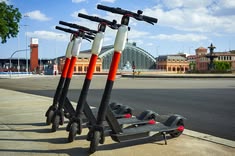
Flexibility also sets electric scooters apart. Riders can park almost anywhere, avoiding the hassle of finding parking spaces in crowded areas. This convenience encourages more people to ditch their cars for shorter journeys.
Health benefits shouldn’t be overlooked either. Riding an electric scooter promotes physical activity as users engage their core and legs during rides.
They provide fun! Navigating city streets on a scooter brings joy into daily travel routines, transforming mundane commutes into enjoyable experiences that keep people smiling.
Environmental Impact of Electric Scooters
Electric scooters have emerged as a green alternative for urban transport. They run on electricity, which means they produce zero tailpipe emissions. This shift from gas-powered vehicles helps reduce air pollution in crowded cities.
The manufacturing process of electric scooters is also evolving. Many companies are focusing on sustainable materials and efficient production methods to lessen their carbon footprint.
Moreover, the use of electric scooters can encourage people to opt for shared mobility solutions instead of traditional cars. This trend helps decrease traffic congestion and lowers overall energy consumption in metropolitan areas.
With fewer vehicles on the road, cities experience less noise pollution too. The quiet hum of an electric scooter presents a serene contrast to the roar of combustion engines.
As more riders embrace this eco-friendly mode of transportation, we might see significant strides towards cleaner urban environments.
Safety Concerns and Regulations
As electric scooters gain popularity, safety concerns have surfaced. Riders often navigate crowded streets and sidewalks, which can lead to accidents. Pedestrian safety is a critical issue that cities must address.
Regulations vary widely across regions. Some cities enforce speed limits while others restrict where scooters can be parked. These rules aim to create safer environments for both riders and pedestrians.
Helmet use is another contentious topic. While some advocate for mandatory helmet laws, others argue that it could deter new riders from trying out this alternative mode of transport. Education on safe riding practices remains essential in fostering responsible scooter usage.
Cities are also exploring designated lanes for e-scooters to reduce conflicts with vehicles and pedestrians. As regulations evolve, collaboration between local governments and scooter companies will play a vital role in enhancing safety measures.
Economic Impact on Cities
The rise of electric scooters has sparked significant changes in urban environments. Cities are adapting to accommodate this trend, which brings both opportunities and challenges.
Electric scooters offer an affordable transportation option for many residents. Their low operational costs can reduce the financial burden on commuters. This shift could lead to increased disposable income being spent in local businesses rather than on traditional transport methods.
Moreover, electric scooters help alleviate congestion. With fewer cars on the road, traffic flow improves, making city living more enjoyable for everyone. As a result, public spaces become more pedestrian-friendly as cities prioritize infrastructure that supports e-scooters.
However, there are also economic considerations to address. The proliferation of these vehicles raises questions about parking regulations and sidewalk access. Local governments must strike a balance between encouraging scooter use while ensuring safety and accessibility for all citizens.
As cities invest in infrastructure improvements inspired by this new mode of transport, we may see enhanced connectivity across neighborhoods. Electric scooters have opened up conversations around sustainable travel options that benefit both individuals and communities alike.
With their growing popularity showing no signs of slowing down, it’s clear that electric scooters will continue to shape everyday travel dynamics for years to come.