

Home is where we feel the safest, but what happens when that safety is threatened? With rising crime rates and increasing burglary incidents, many homeowners are seeking innovative ways to safeguard their spaces. That’s where indoor monitoring systems step in. Imagine having an eye on every corner of your home, even when you’re miles away. These advanced systems not only provide peace of mind but also act as a powerful deterrent against intruders.
Whether you’re at work or enjoying a night out, knowing that your home is being monitored can make all the difference. Let’s explore how these systems work and why they have become essential for modern security practices. From various types available to real-life success stories, there’s much to uncover about enhancing your home’s protection with indoor monitoring technology.
Types of Indoor Monitoring Systems
When it comes to indoor cam australia systems, variety is key. Each type serves a unique purpose and caters to different needs.
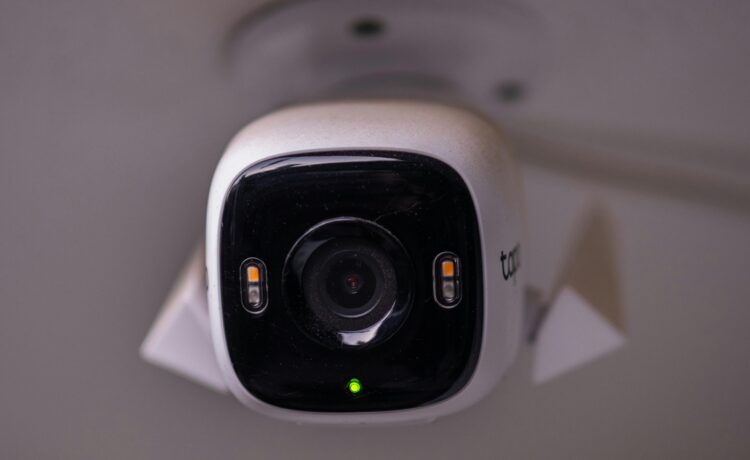
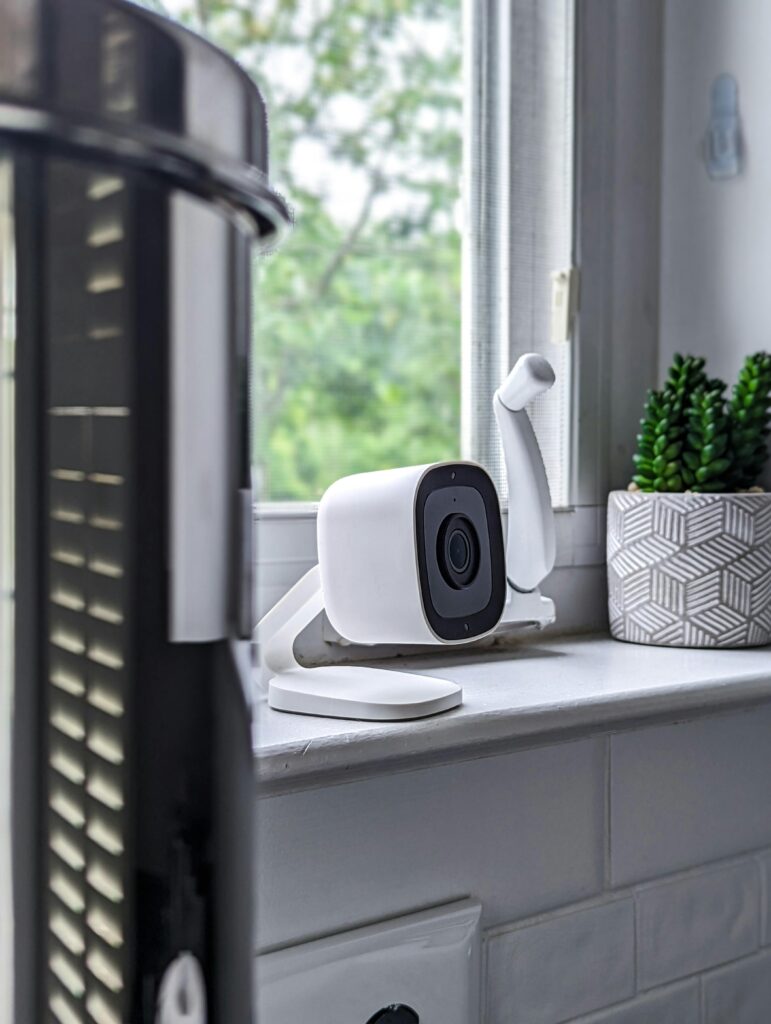
Cameras are the most common choice. They come in various forms, including wired and wireless options. Many now offer high-definition video and night vision capabilities for round-the-clock surveillance.
Motion detectors also play a crucial role. These devices can sense movement within your home and trigger alerts or alarms when unexpected activity occurs.
Smart sensors are another innovative option. They monitor doors and windows, notifying homeowners if they open unexpectedly while you’re away.
Integrated systems combine multiple technologies into one platform. This means you can control cameras, motion detectors, smart locks, and more from a single app on your smartphone or tablet.
Each system brings its own advantages to the table, offering tailored solutions for enhancing security at home.
Benefits of Indoor Monitoring for Home Security
Indoor monitoring systems offer a proactive approach to home security. By providing real-time surveillance, these systems allow homeowners to keep an eye on their property from anywhere.
One major benefit is the ability to deter intruders. Just the presence of cameras can discourage criminal activity. When potential burglars see visible monitoring devices, they often think twice before attempting a break-in.
Additionally, indoor monitoring enhances peace of mind for families. Knowing that every room is being watched helps residents feel secure in their own homes. This assurance extends even when you’re away on vacation or at work.
Moreover, many modern systems include alerts and notifications. Homeowners receive instant updates if unusual movement is detected, allowing them to act quickly if necessary.
Such features not only provide security but also foster a sense of control over your environment; something everyone craves in today’s unpredictable world.
Features to Look for in an Indoor Monitoring System
When choosing an indoor monitoring system, consider camera resolution. High-definition video ensures that you can clearly identify faces and details in any situation.
Next, look for motion detection capabilities. Smart sensors can alert you immediately when unusual activity is detected. This feature is vital for catching potential intruders in real-time.
Two-way audio allows communication through the camera. You can interact with anyone in your home, whether it’s a visitor or family member.
Another essential aspect is cloud storage options. Having access to recorded footage remotely provides peace of mind and helps in case of disputes or incidents.
Ensure compatibility with smart home devices. Integration with existing systems enhances functionality and convenience while streamlining your security measures seamlessly into daily life.
Cost and Installation Process
When considering indoor monitoring systems, cost and installation play vital roles. Prices vary widely based on the technology and features you choose. Basic cameras might start around $50, while advanced models can reach several hundred dollars.
Installation is another factor to consider. Many systems are designed for DIY enthusiasts. These user-friendly options allow homeowners to set up their devices without professional help. Typically, you’ll just need basic tools and a reliable Wi-Fi connection.
For those who prefer a hands-off approach, hiring professionals can ensure everything is installed correctly. Installation fees may range from $100 to $500 depending on system complexity.
Don’t forget about ongoing costs like subscription plans for cloud storage or premium features that enhance your security experience further. Keeping an eye on these expenses will help maintain your budget while ensuring robust home protection.
Real-Life Examples of How Indoor Monitoring Prevented Break-Ins
One family’s experience highlights the effectiveness of indoor monitoring systems. They installed strategically placed cameras throughout their home after noticing suspicious activity in their neighborhood. One night, an intruder attempted to enter through a side door. The camera captured the event, alerting both the homeowners and local authorities immediately.
In another instance, a smart security system detected unusual movements while the owners were away on vacation. It sent real-time notifications to their smartphones. They accessed live footage and spotted someone trying to break in through a window. The police arrived quickly, preventing any theft.
These examples illustrate how indoor monitoring can serve as both a deterrent and an effective response tool against potential threats. With surveillance technology continually evolving, more homes are becoming safer with these preventative measures in place.
Alternative Methods for Improving Home Security
When it comes to enhancing home security, indoor monitoring systems are just one piece of the puzzle. There are various alternative methods that can complement these systems effectively.
Consider smart locks as an additional layer of protection. These locks allow you to control access remotely and provide features like temporary codes for guests or service providers. They add convenience without sacrificing safety.
Another method is motion-sensor lighting around your property. Bright lights that activate with movement serve as a deterrent for potential intruders. A well-lit exterior can make anyone think twice before approaching your home.
Additionally, neighborhood watch programs foster community vigilance. When neighbors look out for each other, it creates a safer environment overall. It’s about building trust and communication within your community.
Regular maintenance of doors and windows ensures they remain secure at all times. Check hinges, weather stripping, and locking mechanisms frequently to identify any vulnerabilities right away.
By combining indoor monitoring with these strategies, homeowners can create a robust security system tailored to their needs. Investing time in both technology and proactive measures will go a long way in keeping homes safe from potential threats.