
Broken commercial glass is an immediate practical problem. The area might be exposed to the weather, consumers could walk past sharp fragments and a damaged door or shopfront can disrupt trading. The first priority is not a perfect substitute, but a controlled, safe response. Once people are protected, the opening is secure, then the cause, measurements and proper replacement can be dealt with. A calm process reduces risk and allows the business to return to normal without hurrying to get the wrong fix in or leaving the team in the dark.
Secure the area prior to clean up
When consulting a glazier, tullamarine firms should first keep staff and visitors away from the affected zone. Do not touch unstable fragments unless you are trained and equipped to do so. Barriers, clear directions, and an alternate access may be needed. Photographs taken from a safe point may help explain the damage. First priority is to ensure that there is not a second incidence while professional counsel is being organised.
Give an accurate description of the opening
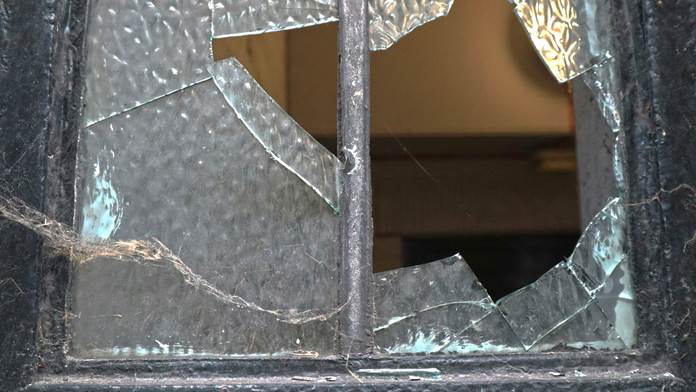
Useful information includes the position, approximate size, whether the panel is part of a door, and whether the premises may be guarded. Talk about cracks that stay in place and glass that falls down. The response may be influenced by the material of the frame, access restrictions and trading hours. A full description will assist the glazier with his preparations but final measurements and confirmation of the type of glass needed will have to be carried out on site.
Use temporary glazing in a regulated fashion
This is particularly the case if a panel requires bespoke manufacturing or specialist glass, when an instant permanent replacement may not always be accessible. The premises can be secured with temporary boarding or glazing whilst the final component is being made. This should be viewed as a deliberate interim measure with the next appointment and duties clearly noted. A temporary fix is most beneficial when everyone understands its limitations and predicted lifespan.
Find out why the harm happened
Impact is an apparent cause but movement in a frame, damaged hardware, edge contact or frequent door misalignment can also contribute to failure. Replacing the pane, regardless of the surrounding assembly may allow the same stress to continue. Inspection should include hinges, closers, channels and adjacent building movement when applicable. If you know the cause, you can make the repair last longer when it is accomplished.
Return to service complete
After installation, the panel and fittings should be tested by regular operation. Doors should open, close, and lock properly, seals and edges should be tidy and tight. Work area shall be cleaned of fragments and temporary supplies. Staff should be aware of any curing times or access restrictions that may be in place. This last pass-off takes it from an emergency response into a full repair, instead of having the firm find any loose ends at a later date.