

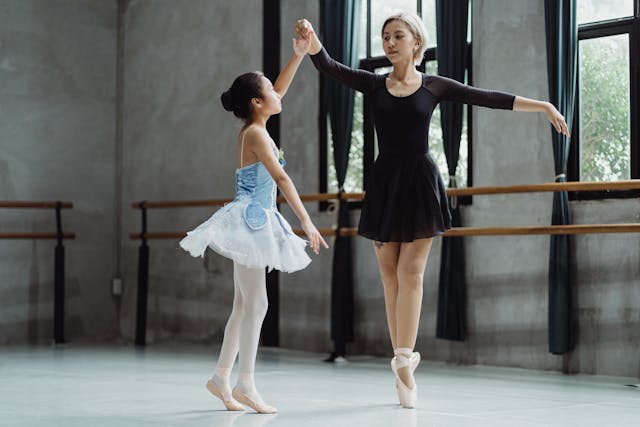
What uniforms do for dance training
A lot of people in Australia like to dance. Every year, thousands of kids, teens, and adults take dance classes. Dance schools are very important for fostering creativity, discipline, and physical fitness. They teach forms like ballet, jazz, hip-hop, and modern.
Many dancing programs require students to wear uniforms. They make pupils feel like they are all on the same page and help teachers see posture, alignment, and technique better during lessons. Wearing the right clothes also lets dancers move around safely and comfortably when they practise and rehearse.
Choosing the correct uniform is more than just about how it looks for parents and dancers. Comfort, durability, and flexibility are important for long training sessions and dynamic activity.
Why It’s Important to Have Good Dancewear
A lot of dance schools in Australia have rules about what kinds of Dance Uniforms their students can wear. Depending on the kind of dance being taught, these uniforms may contain leotards, tights, skirts, dancing shorts, or specific shoes.
Dancewear needs to be made of high-quality materials. Dancers can move freely and stay comfortable while doing a lot of physical activity because of fabrics like cotton blends, lycra, and moisture-wicking materials. Breathable textiles also help keep your body temperature stable in busy studios.
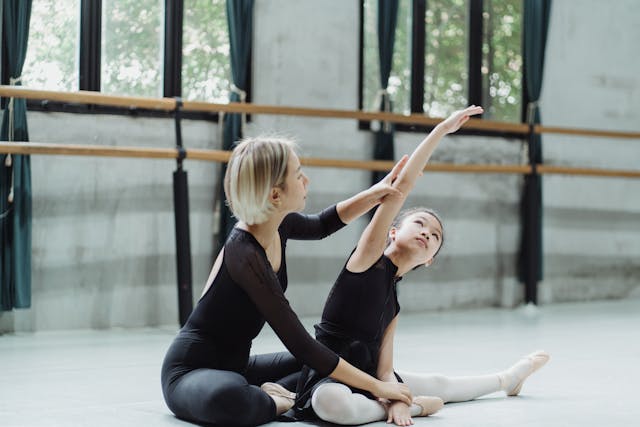
Uniforms that are well-made also help with proper technique. For example, instructors can see how well students are aligned and how they are standing when they do things like spins, hops, and extensions. This visibility helps teachers keep pupils safe and on the right track.
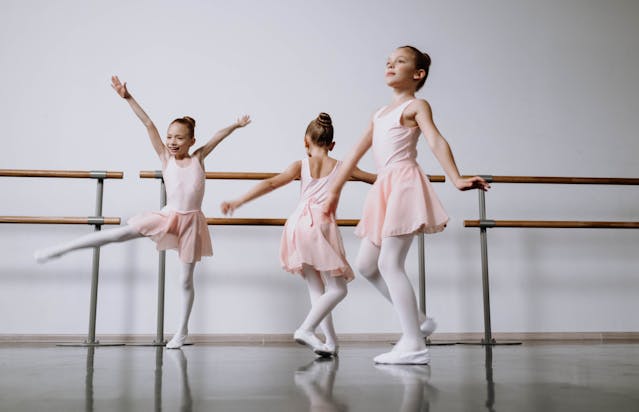
Different Dance Styles Call for Different Uniforms
Each type of dance has its own traditional clothes and needs. For example, ballet students usually wear tights, leotards, and ballet slippers. Younger dancers may also wear skirts or tutus as part of their class uniform.
Contemporary and jazz dancers often wear fitted tops, shorts, or leggings that let them move about more freely. These genres frequently have expressive dance moves that demand you to move freely over the floor.
Hip-hop lessons may have more lenient dress rules. They often allow loose-fitting clothes and trainers made for dancing. Even in this manner, many studios have rules that students must follow to make sure they appear well when they perform and compete.
Another significant part of dancing uniforms is the costumes during performances. Costumes assist make choreography come to life and make the routine’s visual storytelling better during recitals and competitions.
Finding the Right Fit and Look
When picking out dancewear, comfort and fit are quite important. Clothes that are too tight can make it hard to move, while clothes that are too loose can get in the way of technique or be annoying in class. Many dance stores have size recommendations to help dancers find the right size.
Parents generally want uniforms that are strong enough to last through washing and wearing them over and over again. Good stitching and textiles that can stretch help clothes keep their shape even after months of practice.
There are many choices for students at all levels in Australia’s booming dance community, thanks to dedicated dancewear stores. Whether someone is just starting their first ballet class or getting ready for a competitive performance, wearing the correct uniform can help them feel more confident and perform better in the classroom.