

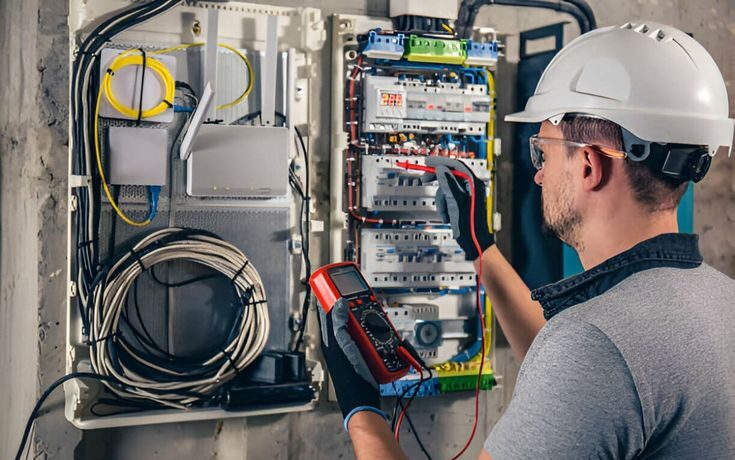
Electrical safety is a topic that often gets overlooked until something goes wrong. Yet, ensuring your electrical systems are functioning correctly is crucial for the well-being of your home and its occupants. Regular electrical inspections can help you avoid potential hazards, save money on repairs, and keep everything running smoothly. Whether you’re a homeowner or a business owner, understanding the importance of these inspections can make all the difference in maintaining a safe environment. Let’s dive into why regular electrical checks should be at the top of your priority list!
The Importance of Electrical Inspections
Electrical inspections play a vital role in safeguarding your property. why regular electrical safety inspections are essential for homes and businesses? They help identify potential hazards that could lead to fires or electrical failures. By catching these issues early, you can prevent costly damage and ensure the safety of everyone inside.
Moreover, regular inspections contribute to the longevity of your electrical systems. Outdated wiring or faulty circuits can strain your appliances and increase energy bills over time. Routine checks allow for timely updates and repairs, keeping everything running efficiently.
Additionally, having an up-to-date inspection report is essential if you’re buying or selling a home. It assures potential buyers that the property meets safety standards and has been well maintained. This transparency builds trust between parties during real estate transactions.
Investing in electrical inspections not only promotes safety but also enhances peace of mind for homeowners and business operators alike. It’s a proactive measure that ultimately pays off in many ways.
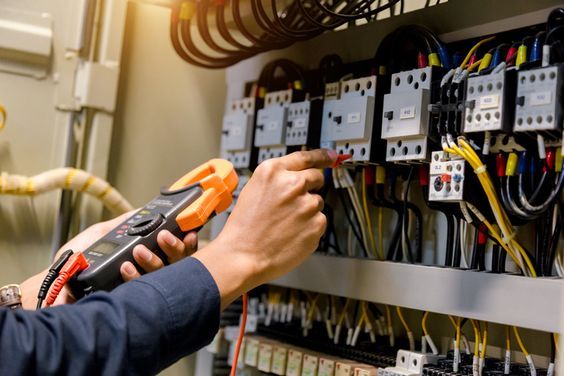
What is Involved in an Electrical Inspection?
An electrical inspection involves a thorough examination of your home or business’s electrical systems. Trained professionals check the overall condition and safety of wiring, outlets, panels, and other components.
Inspectors will start by assessing the main service panel. They look for signs of corrosion, proper grounding, and adequate capacity to handle current demands.
Next, they examine circuit breakers and fuses. It’s crucial these devices function correctly to prevent overloads that can lead to fires.
Wiring is another focal point during an inspection. Inspectors search for frayed wires or improper installations that could pose risks.
Outlets are tested too—ensuring they’re grounded properly and free from damage. Smoke alarms are often inspected as well since they’re vital for early fire detection.
The entire process ensures your electrical system operates efficiently while maintaining safety standards in every aspect.
Types of Electrical Inspections
There are several types of electrical inspections, each serving a unique purpose. The most common is the safety inspection, which ensures all systems meet current codes and standards. This type focuses on identifying potential hazards.
Another type is the pre-purchase inspection. Homebuyers often request this to uncover any hidden electrical issues before finalizing a deal. It’s an essential step for peace of mind.
Commercial properties might undergo routine maintenance inspections. These checkups help businesses maintain operational efficiency and prevent costly downtimes caused by electrical failures.
Post-repair inspections confirm that any recent work meets safety regulations. After repairs or upgrades, it’s vital to ensure everything functions correctly and safely.
Each inspection plays a crucial role in promoting safety and compliance within your property’s electrical system.
How Often Should You Get an Electrical Inspection?
Regular electrical inspections are crucial for maintaining safety in your home or business. Ideally, you should schedule an inspection at least every three to five years. This timeframe helps catch any potential hazards before they escalate.
If you live in an older property, consider more frequent checks. Homes built several decades ago may have outdated wiring systems that require closer scrutiny.
After major renovations or when adding new appliances, it’s wise to get an inspection too. Changes can stress existing electrical systems and lead to unforeseen issues.
Certain environmental factors can also dictate the frequency of inspections. Areas prone to extreme weather conditions often experience wear and tear on electrical components quicker than others.
Listening to your intuition is just as important as following guidelines; if something feels off with your electrical system, don’t hesitate to call a professional for an assessment.
Signs That Indicate the Need for an Electrical Inspection
Electrical systems are often out of sight and out of mind until something goes wrong. Keeping an eye on your electrical setup can save you from potential hazards and costly repairs down the line.
Be vigilant for signs that signal it might be time for an inspection. Flickering lights could indicate loose connections or overloaded circuits. Frequent tripped breakers may imply that your system is struggling to handle the load, which could create serious safety risks.
Unusual odors or a burning smell can be alarming red flags. These scents often suggest overheating wires or faulty equipment that need immediate attention. Additionally, if you notice scorch marks around outlets or switches, this is a strong indicator that something isn’t right.
Another sign is buzzing sounds coming from outlets or appliances, which should never be ignored. This noise often points to electrical issues requiring professional evaluation immediately.
If you’ve recently added new appliances but haven’t updated your home’s wiring, consider scheduling an inspection as well. Your existing setup may not accommodate the increased demand safely.
Staying proactive with inspections helps ensure a safe living environment while maintaining compliance with local regulations and standards. Pay close attention to these warning signs; they play a crucial role in safeguarding both property and loved ones against unforeseen electrical hazards.

