

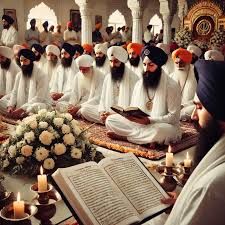
Death is a universal experience, yet the way we honor those who have passed varies widely across cultures. Each tradition tells a story, weaving together the beliefs, values, and histories of different communities. Funerals are more than just ceremonies; they are profound expressions of love, respect, and remembrance.
As families navigate their grief during such difficult times, understanding these customs becomes essential. It can also be overwhelming when faced with diverse cultural practices that might not align with one’s own beliefs or experiences. This is where tailored funeral services come into play—ensuring every individual receives a farewell that truly reflects their heritage.
Join us as we explore the significance of funeral traditions from around the world and how modern funeral services adapt to meet these unique needs.
Understanding the Importance of Funeral Customs and Traditions
cultural and specialist funeral services in australia serve as a bridge between the living and the deceased. They provide families a structured way to express their grief, celebrate lives, and say goodbye. These rituals can be deeply rooted in cultural beliefs, offering comfort during an emotionally turbulent time.
Each tradition carries its own significance. For some cultures, it’s about honoring ancestors through elaborate ceremonies that may last for days. Others might focus on simplicity, emphasizing personal reflections over grand displays.
Moreover, these practices help maintain community connections. Gatherings of family and friends foster support networks essential in healing after loss. This shared experience often reinforces bonds that transcend individual grief.
Understanding these customs allows us to appreciate diverse perspectives on life and death. It enriches our approach to mourning by recognizing the different ways people find solace amidst sorrow.
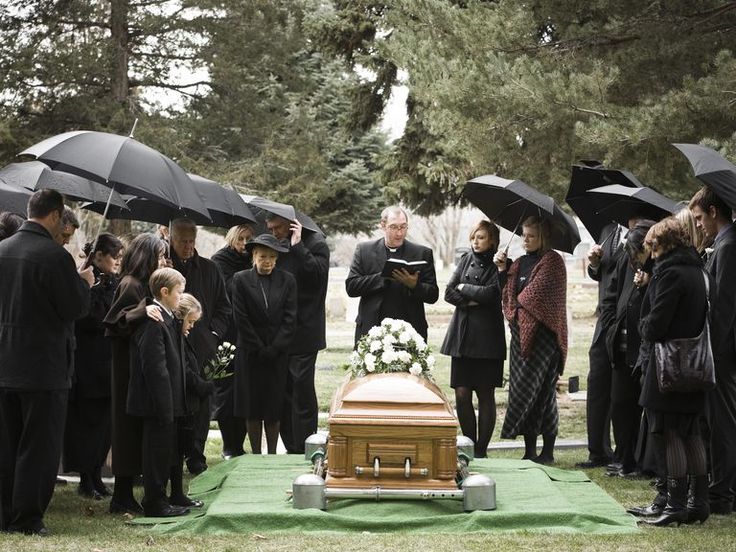
How Different Cultures Approach Funerals
Every culture has its unique rituals surrounding death. These customs often reflect deep-seated beliefs about the afterlife and respect for the deceased.
In many Asian cultures, for instance, ancestral worship plays a pivotal role. Families may prepare elaborate offerings to honor their loved ones, ensuring they are well cared for in the next life.
Conversely, some Indigenous communities emphasize communal grief. Ceremonies unite family and friends, fostering collective healing through shared stories and memories.
In Western societies, funerals tend to focus on closure. Memorial services celebrate lives lived while providing spaces for personal reflection.
Meanwhile, Middle Eastern traditions often involve swift burials followed by mourning periods filled with prayer and remembrance. Each approach showcases diverse values related to loss and respect across cultures.
Challenges Faced by Families with Diverse Cultural Backgrounds
Families with diverse cultural backgrounds often face unique challenges when planning funerals. Each culture has its own customs and rituals, which can create confusion or conflict.
When family members hold different beliefs, it adds another layer of complexity. One relative may prioritize traditional practices while others might seek modern alternatives. This divergence can lead to tension during an already emotional time.
Communication is crucial yet difficult in such situations. Language barriers may prevent meaningful discussions about wishes and preferences for the service. Without clear dialogue, families risk misrepresenting their loved ones’ values.
Additionally, navigating legal requirements can be daunting. Some cultures have specific regulations regarding burials or cremations that must be respected, complicating arrangements further.
These obstacles highlight the importance of understanding diverse needs in funeral planning. It’s essential to approach each situation with sensitivity and respect for every individual’s heritage.
Tailored Funeral Services to Honor Individual Beliefs and Traditions
Tailored funeral services are essential for honoring the unique beliefs and traditions of diverse cultures. Each community has its own rituals that reflect deep-seated values, making personalization crucial.
For some, a service may involve specific religious ceremonies, while others might prefer secular tributes or cultural rites. These preferences deserve respect and careful attention.
Families can choose elements like music, readings, or symbols meaningful to their loved one’s heritage. Incorporating traditional foods or attire can also create an atmosphere that feels familiar and comforting.
Working with compassionate funeral directors ensures these details are honored seamlessly. They guide families through options that align with individual wishes while respecting cultural nuances.
This approach fosters a sense of connection among mourners. It transforms grief into a shared celebration of life rather than merely a farewell. The result is a memorial experience deeply rooted in personal significance.
The Role of Funeral Directors in Providing Culturally Sensitive Services
Funeral directors play a pivotal role in ensuring that culturally sensitive services are provided during one of life’s most challenging moments. They act as guides, helping families navigate the intricacies of different customs and traditions. With their expertise, they can tailor services to reflect individual beliefs and practices.
Understanding diverse cultural needs is essential for funeral directors. This knowledge allows them to offer meaningful options that honor the deceased’s legacy while respecting the family’s wishes. Whether it’s arranging specific rituals or incorporating traditional music, every detail matters.
Open communication between families and funeral directors fosters an environment where everyone feels understood and supported. Listening attentively to each family’s unique story enables funeral providers to craft personalized tributes that resonate deeply with attendees.
Moreover, many funeral homes invest in ongoing training focused on cultural competency. This commitment ensures staff members remain informed about various traditions and evolving practices within communities they serve.
The compassionate guidance of a skilled funeral director can help ease emotional burdens at such a difficult time. By honoring traditions from all walks of life, these professionals contribute significantly not just to memorializing loved ones but also to celebrating their rich heritages.